

Learning
Recording Drums as One Instrument
A drum recording is more than isolated microphones. The real sound comes from balance, tuning, phase, room interaction, and how the entire kit breathes together as one instrument.
The Goal Is Not Perfect Isolation
Modern drum recording often focuses heavily on isolation, editing, sample replacement, and individual drum perfection. While those tools can be useful, they are not the foundation of a musical drum sound.
The goal of GrooveDrumming recording is to capture the interaction between the drums, cymbals, room, and player in a natural and balanced way.
The kit should feel connected. The microphones should support that connection rather than destroy it.
Tuning Before Microphones
The most important part of recording drums happens before a microphone is ever placed.
If the drum itself does not sound balanced and musical in the room, no microphone or plugin can fully fix it later.
Good tuning affects:
- Attack and sustain
- How the shell resonates
- The way drums interact with cymbals
- Phase relationships
- How naturally the kit sits in music
A properly tuned drum tends to require less EQ, less gating, and less correction later in the mix.
The Overheads Are the Kit
Overhead microphones should not simply capture cymbals. They should capture the entire drum set as a single musical image.
In many GrooveDrumming recordings, the overheads provide most of the natural kit sound while close microphones add support, punch, and definition where needed.
This approach creates:
- Better phase coherence
- More realistic stereo imaging
- Natural cymbal balance
- A stronger sense of groove and movement
The microphones used for overhead, close, and room positions are listed on the GrooveDrumming equipment page.
Why ORTF Works
ORTF is a stereo microphone technique that uses two directional microphones angled outward while spaced slightly apart.
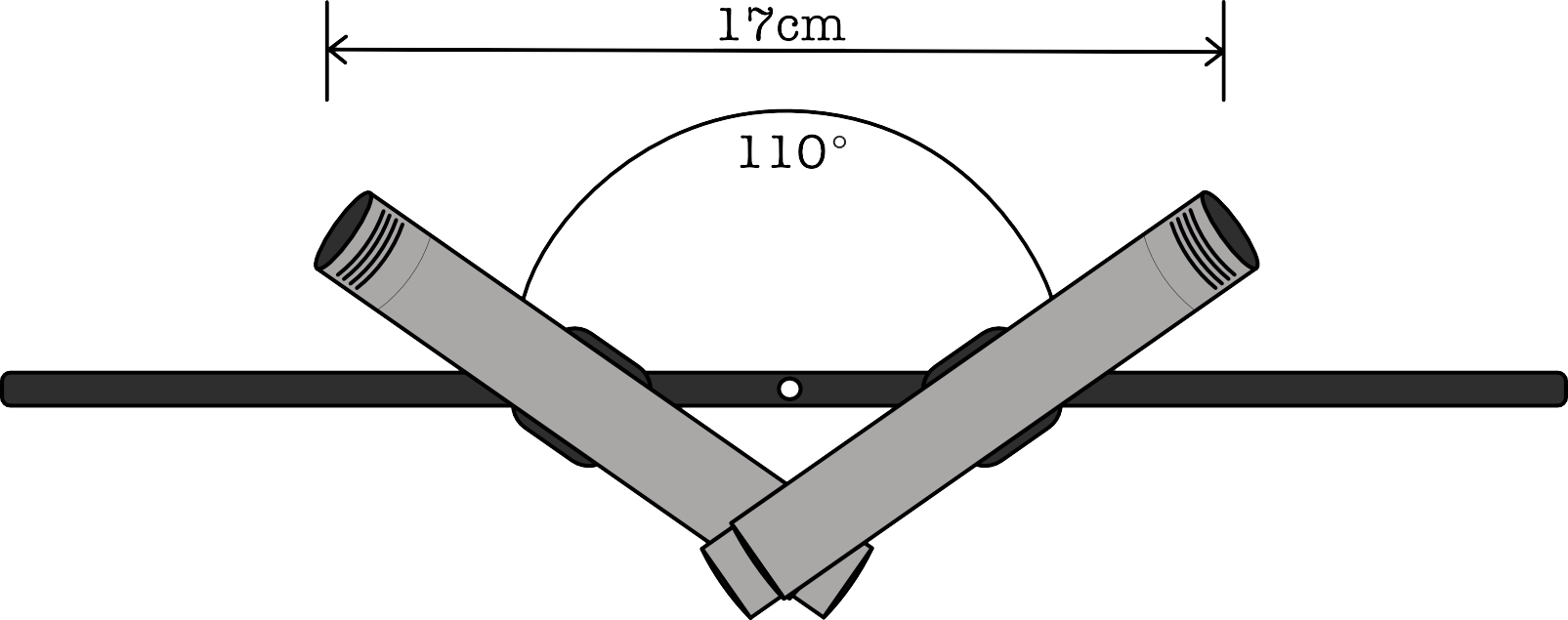
Compared with widely spaced overheads, ORTF often produces a more focused and stable stereo image while still maintaining width and depth.
The slight spacing between the microphones helps create natural stereo information, while the angled pattern preserves center image and punch.
In GrooveDrumming recordings, ORTF overheads help maintain the feeling of sitting in front of a real drum set rather than hearing disconnected pieces spread across speakers.
Close Mics Add Support
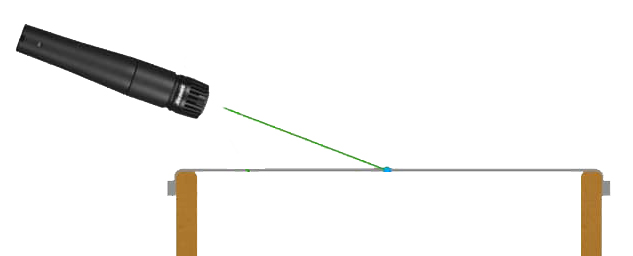
Placing the microphone near the edge while aiming across the head toward the center often produces a more balanced and natural drum tone than pointing directly downward at the center.
Close microphones are important, but they are not always the main sound.
Instead, they help reinforce specific parts of the kit:
- Kick drum punch
- Snare articulation
- Tom definition
- Extra attack or presence
If the overheads and room microphones already sound balanced, close mics can be blended naturally without fighting the overall image of the kit.
Room Microphones and Depth
Room microphones capture the air, reflections, movement, and natural energy surrounding the drum set.
In GrooveDrumming recordings, room microphones are an important part of the overall feel of the kit rather than simply an effect added afterward.
A mono room microphone can add:
- Depth and dimension
- Warmth and body
- Glue between the drums and cymbals
- A stronger sense of space
In the current GrooveDrumming setup, the mono room microphone is positioned behind the drummer approximately around mid-back height while seated at the kit. This placement helps capture the natural balance of the room while maintaining strong connection between the drums, cymbals, and stereo overhead image.
The front room microphones are positioned approximately 10 feet away from the kit and 81 inches high. One of the room microphones is pointed in the opposite direction to help capture width, depth, cymbal movement, and the natural interaction between the drums and the room without pulling the image apart excessively.
Room microphones often become even more important at lower playing volumes, where subtle movement and ambience help the kit feel alive.
Phase and Balance
Phase relationships are critical in drum recording because every microphone hears multiple parts of the kit at different times.
Poor phase alignment can weaken low end, blur attack, reduce punch, and make cymbals sound harsh or disconnected.
Good phase relationships create:
- Stronger low-end punch
- Better stereo imaging
- Cleaner transients
- More natural sustain
- A cohesive kit sound
Phase is not only technical. It affects groove and feel because timing relationships between microphones shape the way the kit moves emotionally in the speakers.
Signal Path and Monitoring
The GrooveDrumming recording chain is designed around clarity, balance, stereo imaging, and preserving the natural movement of the drum kit as one instrument.
The goal is not excessive coloration or hype. The focus is stable imaging, controlled low end, natural transient response, and maintaining depth and realism throughout the recording chain.
Monitoring is equally important because decisions about tuning, microphone placement, phase, balance, and compression depend on hearing the kit accurately.
The monitoring system is designed to reveal stereo depth, low-frequency balance, cymbal harshness, and how naturally the drums sit together as a single instrument.
In recording GrooveDrumming tracks, the technology supports the feel rather than replacing it.
See the complete drum kit, microphones, recording equipment, and monitoring setup used for GrooveDrumming recordings.
Final Thought
A recorded drum sound is not created by microphones alone. It comes from tuning, touch, balance, phase, room interaction, and how the drummer controls the instrument.
Recording drums as one instrument creates a sound that feels connected, musical, and alive.
Groove begins long before the mix stage.